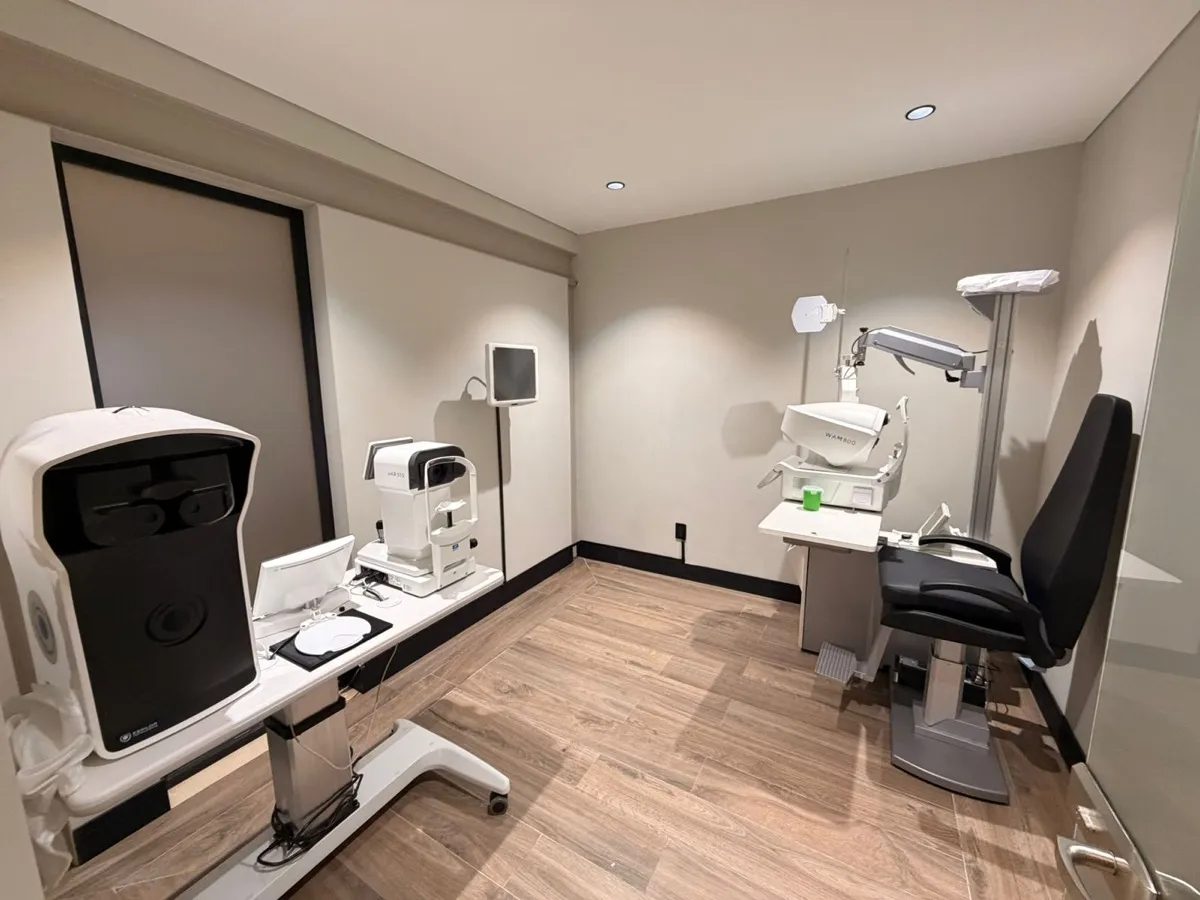
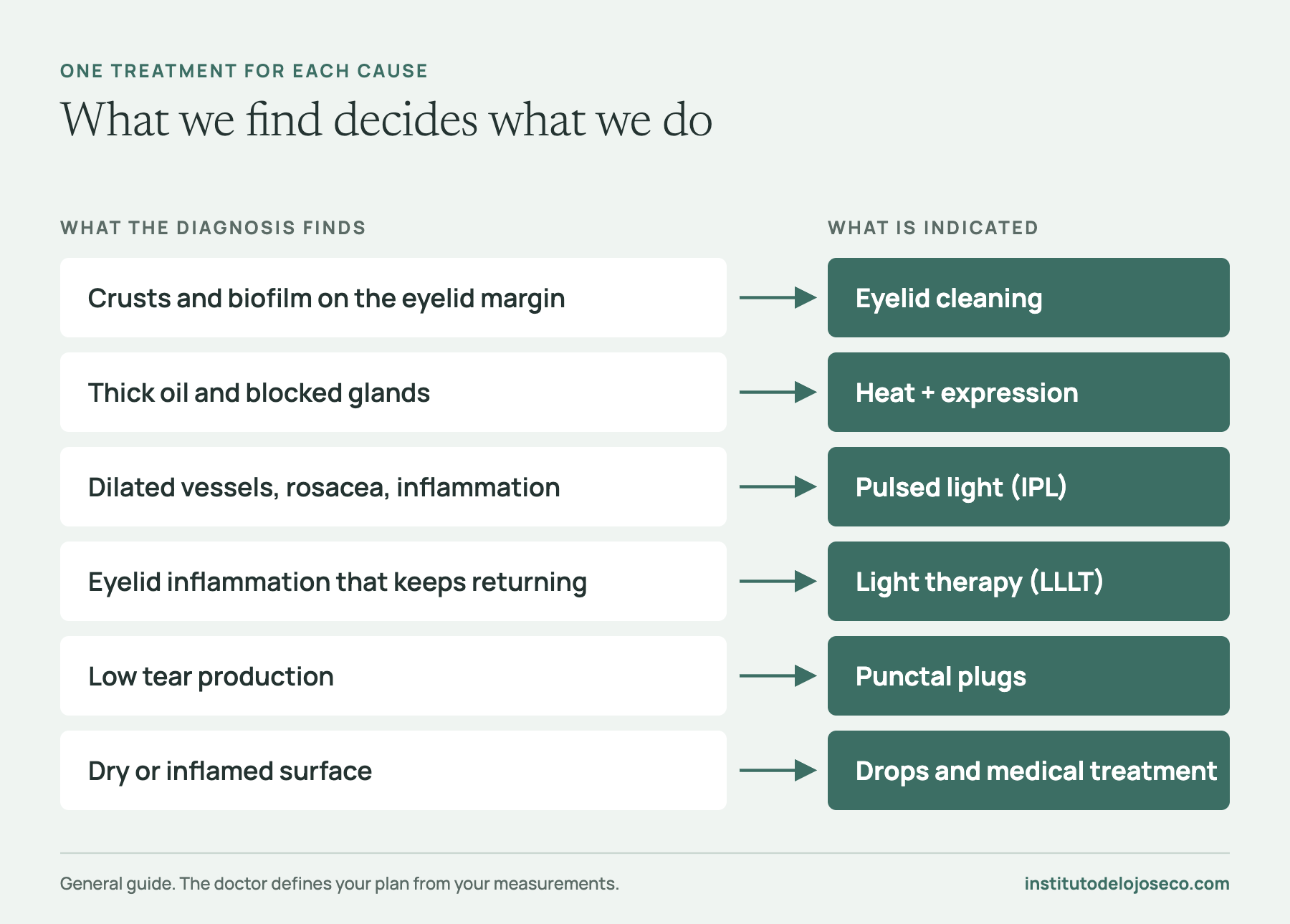
Dry eye treatment depends on its cause. If the tears evaporate because the meibomian glands are blocked, the eyelids are treated with heat, cleaning, gland expression, intense pulsed light (IPL), or low-level light therapy (LLLT). If there are too few tears, they are conserved with punctal plugs. That is why we measure first and treat afterward, in phases.
Comparison
The treatments at a glance
| Treatment | If your problem is… | What it feels like | Duration |
|---|---|---|---|
| Eyelid cleaning | Crusts or flakes on the eyelashes, irritated eyelids | A tickle | 5 to 10 min |
| Infrared thermotherapy | Blocked glands, thick oil | Gentle heat | 10 to 15 min |
| Gland expression | Blocked glands, after the heat | Brief, intense pressure | About 5 min |
| Intense pulsed light (IPL) | Tiny red vessels on the eyelid, rosacea, inflammation | Brief, warm pulses | 5 to 10 min; 3 to 4 sessions |
| Low-level light therapy (LLLT) | Eyelid inflammation, as a complement | Nothing, or mild warmth | 10 to 17 min |
| Punctal plugs | You have too few tears | Brief pressure | A few minutes |
| Medical treatment | A dry or inflamed surface | Eye drops at home | As prescribed |
The duration is for each in-office session. How many sessions you need depends on your diagnosis and on how you respond.
Before treating
First, the diagnosis
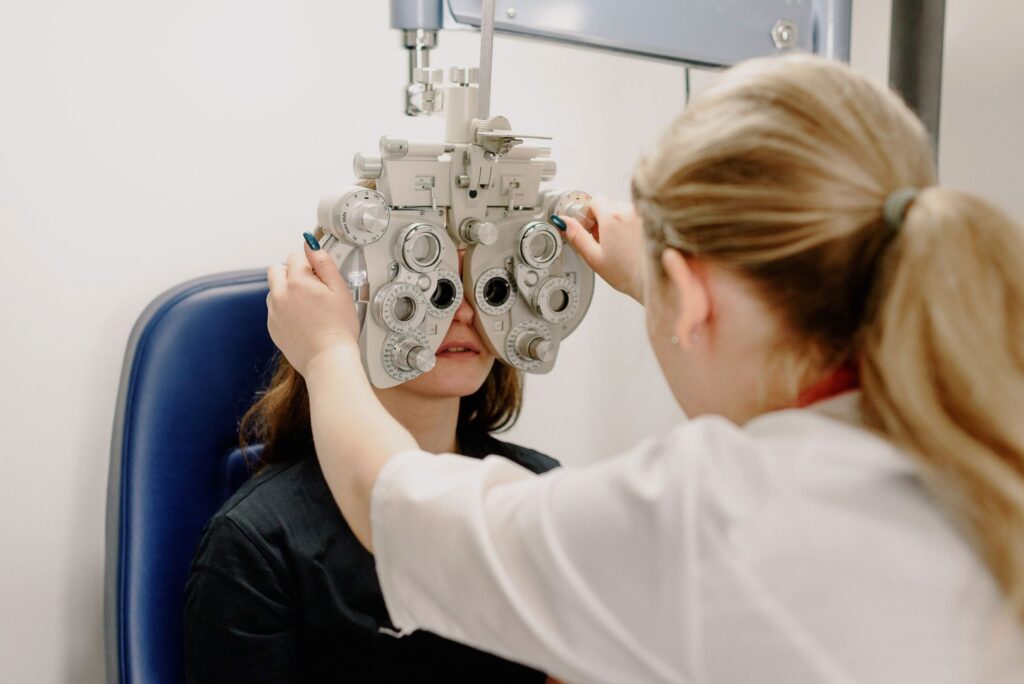
The same discomfort can have opposite origins. Burning can come from tears that evaporate because they lack their oil layer, or from a lacrimal gland that produces too little. In the first case, the eyelids are treated; in the second, the goal is to make your tears last longer. With the measurements in hand, the doctor decides which treatment or combination makes sense for you. See how the diagnosis works.
Our method
How they are combined: treatment in phases
The therapies build on one another in a logical order: first the eyelids and the glands are cleared, then inflammation is brought under control, and finally the gains are maintained.
- 01
Foundation
At home: eyelid hygiene, warm compresses, adequate lubrication, and screen habits.
- 02
Unblock
In the office: eyelid cleaning, infrared thermotherapy, and gland expression, so the oil reaches the tears again.
- 03
Calm inflammation
Intense pulsed light (IPL), low-level light therapy (LLLT), and medical treatment, when they are indicated.
- 04
Maintain
Follow-up visits, booster sessions, and adjustments to the plan to prevent relapses.
In practice, the phases overlap: cleaning, heat, and expression can all be done in the same visit. Punctal plugs come in once inflammation is under control.
The result is assessed at the end of each course, not after the first session. Blocked glands and rosacea are usually chronic, so the plan includes follow-up visits and maintenance. What to expect at each visit: Your treatment session.
Treatment at home: compresses, eyelid hygiene, and eye drops
It is the foundation of any plan, and what maintains the result between sessions. Two guides to doing it right: warm compresses for your eyes and how to choose your eye drops. When that is not enough, the in-office therapies come next; we do them at Dante 6, Colonia Anzures, Mexico City.
In-office therapies
Eyelid cleaning
A deep cleaning of the eyelid margin. It removes the crusts, the flakes on the eyelashes, and the layer of bacteria that an eyelid wipe often does not detach, and it leaves the gland openings clear. It is used for blepharitis and as preparation for heat and expression.
Infrared thermotherapy
Controlled heat on the eyelids. At normal eyelid temperature, the altered oil in the glands is too thick to come out; warming makes it fluid. It is indicated when there are blocked meibomian glands.
More about infrared thermotherapy
Meibomian gland expression
After the heat, controlled pressure on the eyelid empties the glands through their natural openings. The heat softens; the pressure pushes it out. It is the most intense step, and it lasts a few seconds per section.
Intense pulsed light (IPL)
Flashes of light on the skin of the cheek, below the eyes and toward the temple, with the eyes covered the entire time. It acts on the tiny dilated vessels that keep the eyelid margin inflamed. It is indicated when the glands are inflamed and for ocular rosacea.
Low-level light therapy (LLLT)
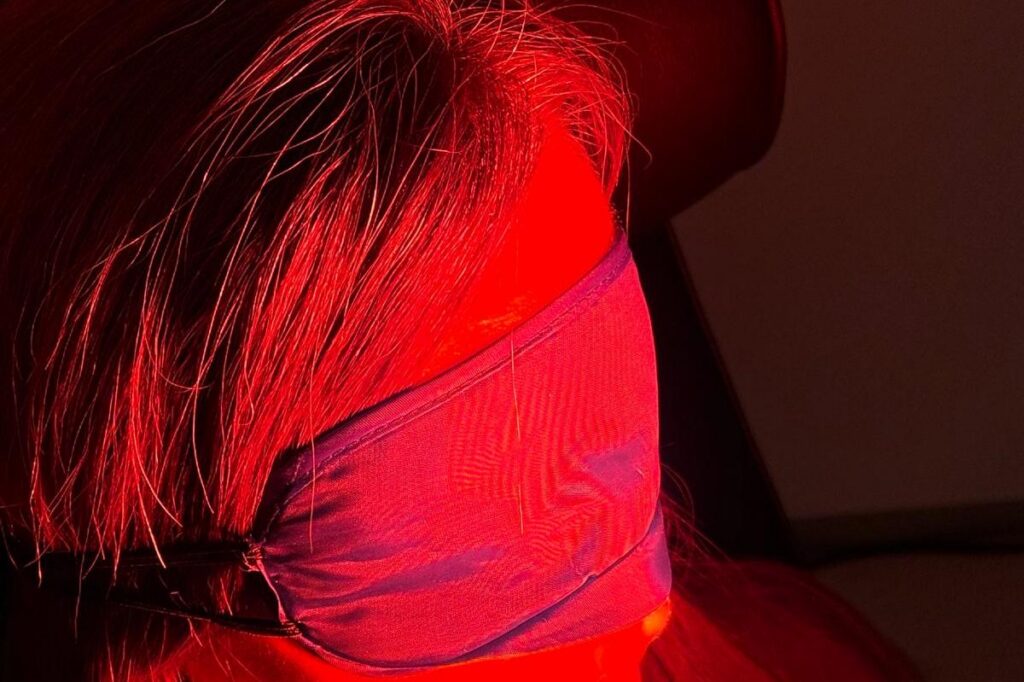
A mask of soft red light over the closed eyelids. It is not a heat treatment: the light acts inside the cells. It is a complement when there is inflammation in the eyelids.
Punctal plugs
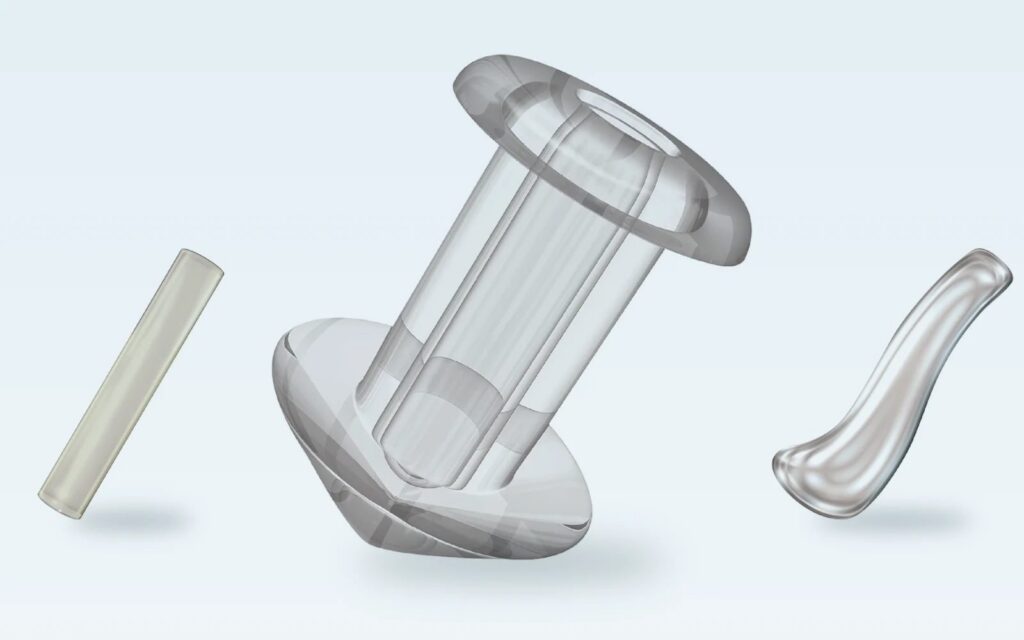
Very small plugs that close the opening through which tears drain, at the inner corner of the eye. Your own tears stay longer. They are for when there are too few tears, once inflammation is under control; they do not increase tear production.
Medical treatment
Preservative-free artificial tears, anti-inflammatory eye drops, or other medications when the diagnosis calls for them. The doctor prescribes them and adjusts them at each follow-up. If you need eye drops many times a day, it is worth checking whether there is a cause that can be treated. How to choose them: Eye drops for dry eye.
Book your assessment
The plan starts with the diagnosis. With the results, we explain which treatments you need, in what order, and what they cost.
Frequently asked questions
Can I ask for a specific treatment directly, such as IPL?
The assessment has to come first. IPL acts on the inflammation and the dilated vessels of the eyelid margin; if your eye has too few tears, it is not the main treatment. The diagnosis spares you sessions that will not help you.
What is the best treatment for dry eye?
The one that matches your cause. None is best for everyone: heat and expression help if your glands are blocked, IPL if they are inflamed, punctal plugs if you have too few tears.
Is dry eye treatment forever?
Dry eye is chronic, so after the initial course there is simple maintenance, almost always at home, with checkups. What to expect and how soon: Can dry eye be cured?.
How much does treatment cost?
It depends on the plan: which therapies you need and how many sessions. We explain it in detail after the assessment, before you start.
Do the treatments hurt?
Most do not. Cleaning feels like a tickle, the heat is gentle, and IPL is brief, warm pulses. The exception is gland expression: intense pressure that lasts a few seconds on each section; anesthetic eye drops are used if needed.
Can I go back to work the same day?
In most cases, yes: these therapies usually require no recovery time. What a session is like, step by step: Your treatment session.