
Smart Dry Eyes is an international network of specialized dry eye centers that share one medical concept: structured diagnosis and stepwise, cause-oriented treatment. Instituto del Ojo Seco (Dry Eye Institute) is its center in Mexico City.
Are you an ophthalmologist, optometrist, or optician? Go straight to For professionals.
Instituto del Ojo Seco is the member center of the Smart Dry Eyes network in Mexico. Smart Dry Eyes is a trademark of its owner.
What it is
A network created by dry eye specialists
Smart Dry Eyes is a network of clinics based in Berlin, created and led by dry eye specialists. It was founded by Dr. Ludger Hanneken, an ophthalmic surgeon and founder of eye clinics in Germany, Spain, and Andorra, to give dry eye the structured treatment it generally lacked. He is also its medical director.
Its starting point is that dry eye is not a single disease. Meibomian gland dysfunction, inflammation of the ocular surface, and insufficient tear production cause similar symptoms but are treated differently. That is why the network measures before it treats.
More about the network at smartdryeyes.com.
What sets the network apart
Treating the cause
The plan targets what is causing the dry eye, not just the symptoms. The goal is lasting improvement and less reliance on artificial tears.
One protocol
All centers follow the same diagnostic and care protocol, so results can be compared across centers and over time.
Combined therapies
No single treatment works for everyone. Therapies are chosen and combined according to each patient’s specific diagnosis.
Where it is
Network centers

Mexico City
MexicoInstituto del Ojo Seco, Dante 6, Anzures.
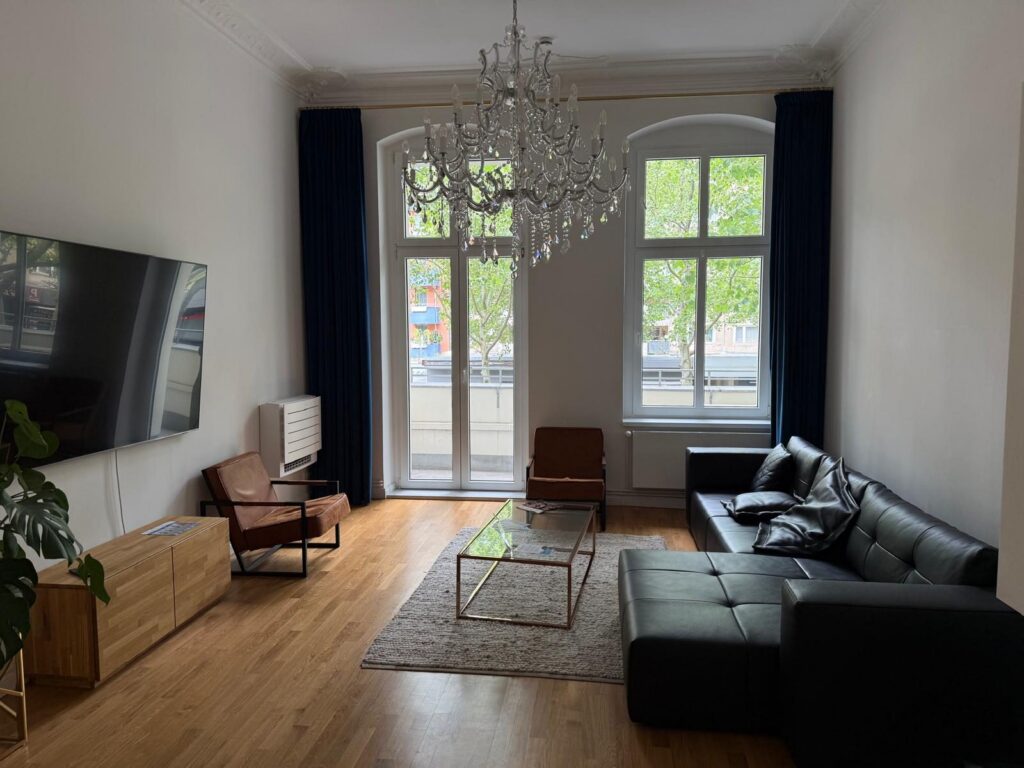
Berlin
GermanyMartin-Luther-Straße 19.
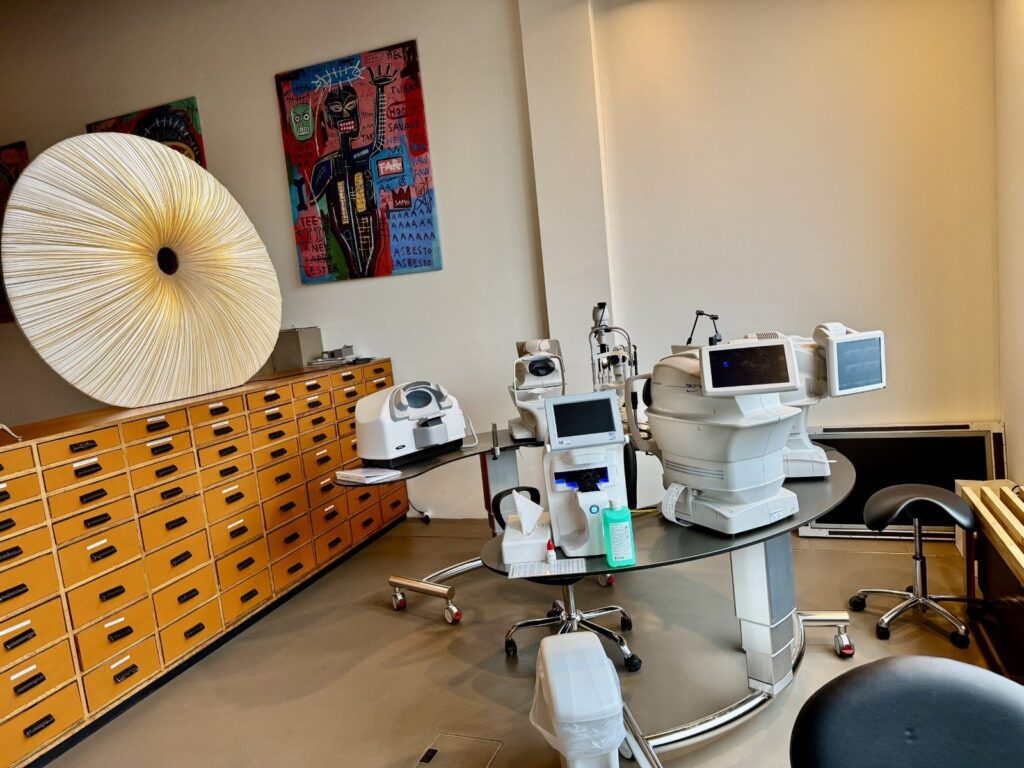
Zurich (Wallisellen)
SwitzerlandRichtiarkade 1.
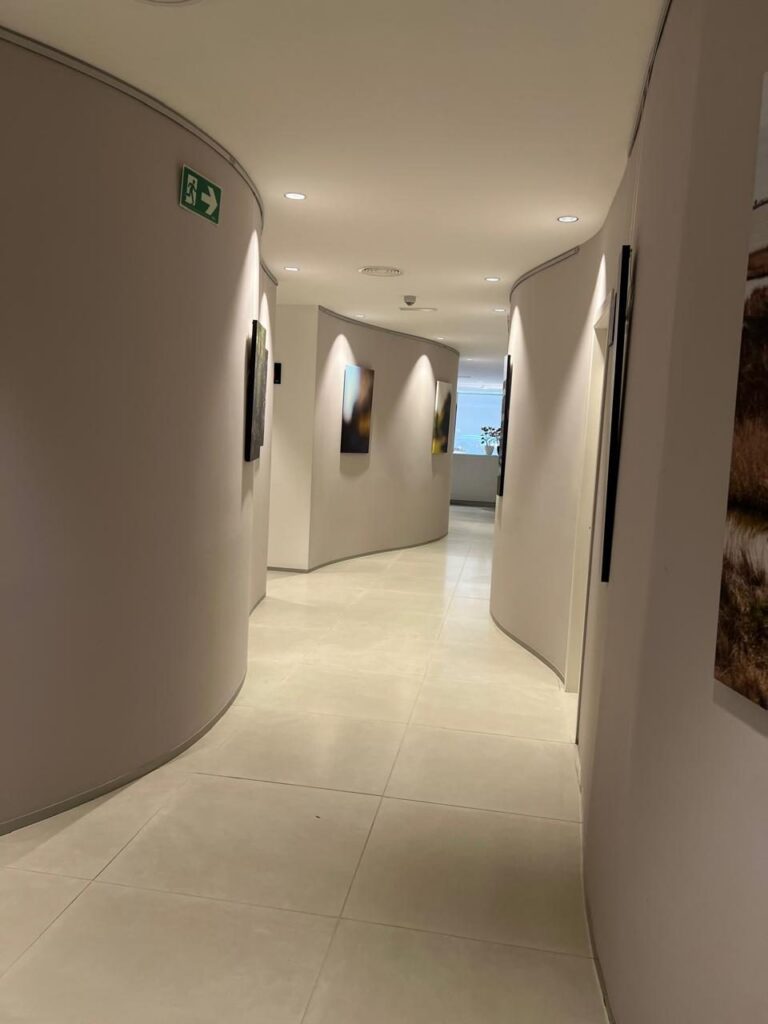
Escaldes-Engordany
AndorraAv. de les Nacions Unides 17.
Manila (Makati City)
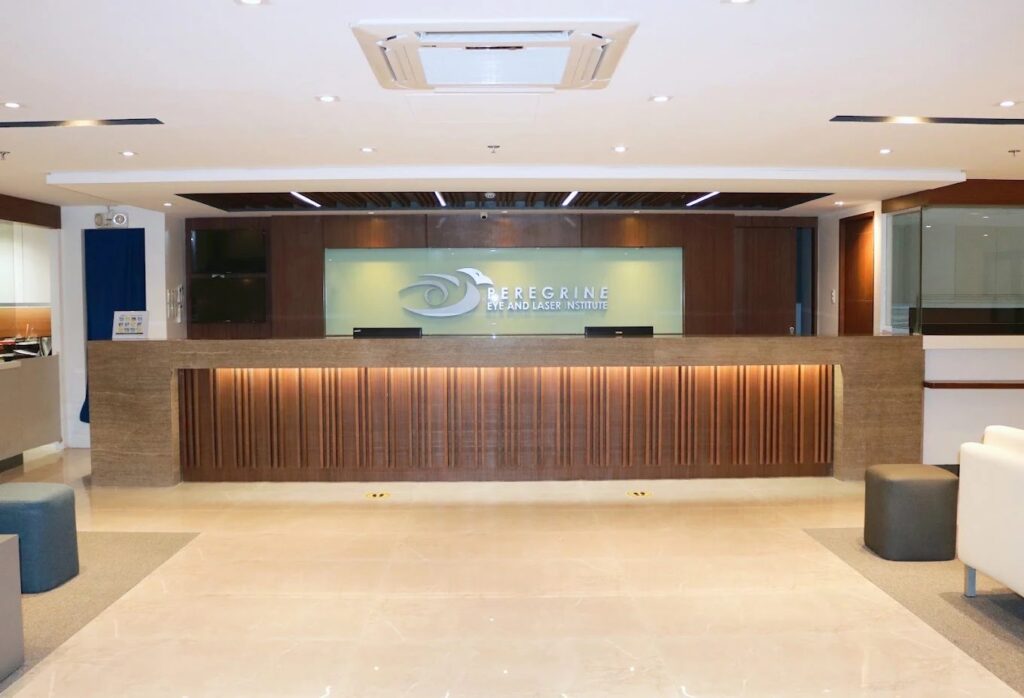
PhilippinesPeregrine Eye and Laser Institute.
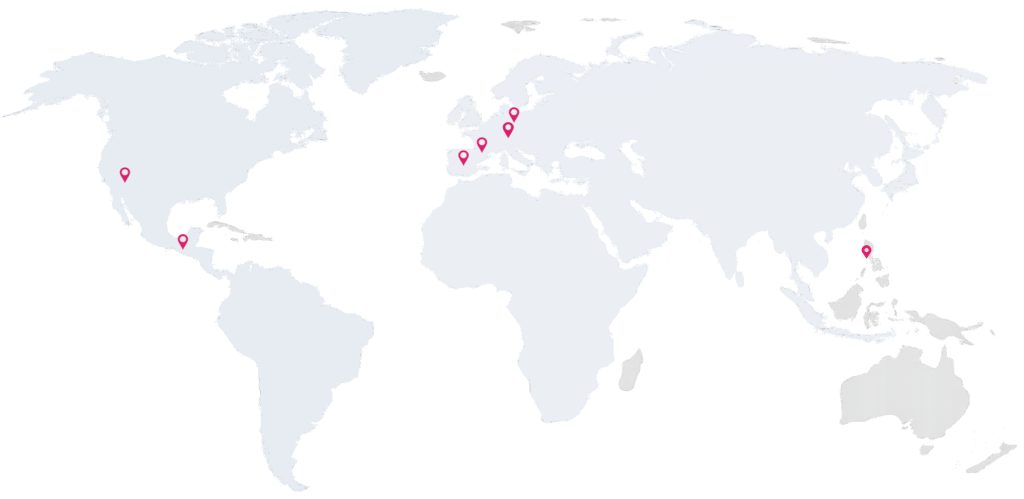
The list changes as the network grows. The current version is at smartdryeyes.com.
In Mexico City
What it means for you that we are a Smart Dry Eyes center
- We diagnose you with the network’s protocol: tear film, meibomian glands, and ocular surface, with the same method used at its centers in Europe.
- Your plan follows the network’s stepwise treatment and the TFOS DEWS III criteria.
- Therapies are chosen based on your diagnosis, not on a particular device.
- Diagnosis and treatment take place in one location, the institute, at Dante 6, with Dr. Ivo Ferreira as medical director.
- You do not need to register at smartdryeyes.com: you book directly with us.
What else the network offers
In countries where it works with partner optical shops, the initial exam can be done at the optical shop, the network’s dry eye specialists review the results and propose a plan, and device-based treatment is performed at a medical center.
The network also offers a patient portal that brings together the results of your tests, the treatment plan, the follow-up schedule, and progress in one place. If you are interested in either of these services, ask us at your assessment.
Professionals
For professionals
If you are an ophthalmologist, optometrist, or optician and see dry eye patients who do not improve with basic measures, you can refer them to the institute. We perform the structured diagnosis with the network’s protocol and, if needed, in-office treatment. You receive the diagnostic report and the treatment plan, and your patient remains your patient.
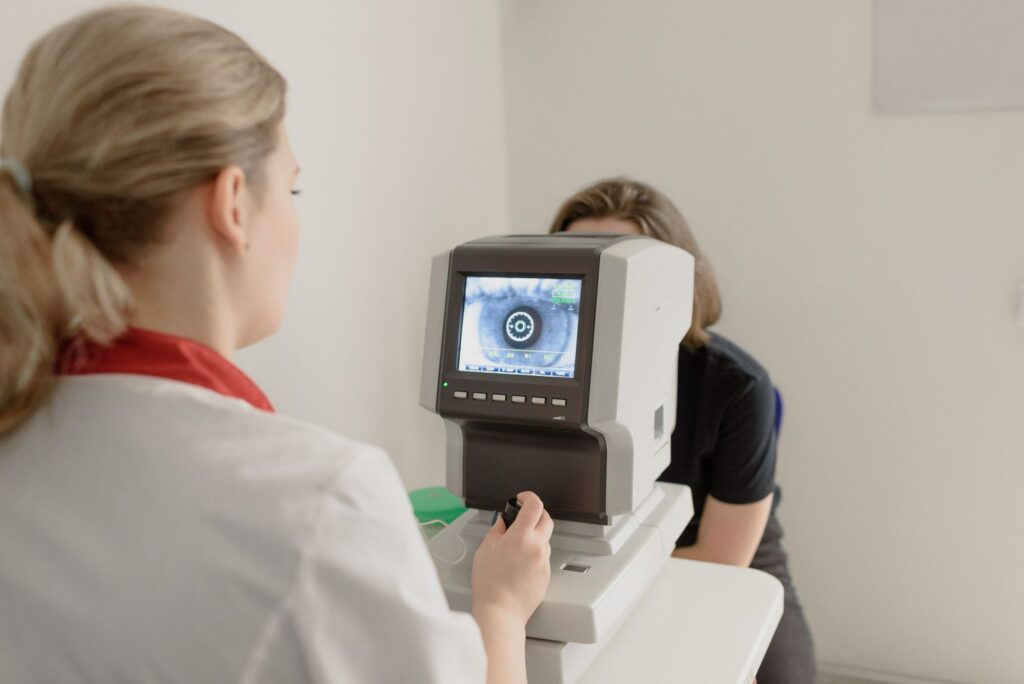
Dry eye that does not respond to artificial tears is rarely just “a lack of tears.” It is usually meibomian gland dysfunction, chronic inflammation of the ocular surface, or a combination of the two, and telling them apart requires measurements that are not part of a routine vision exam: tear stability and volume, the lipid layer, meibomian gland morphology, surface inflammation, and osmolarity. We treat with in-office therapies that cannot be done at home or at an optical shop, such as infrared thermotherapy, meibomian gland expression, intense pulsed light (IPL), and low-level light therapy (LLLT), in addition to medical treatment when indicated.
When to refer
- Symptoms persist despite artificial tears: burning, a gritty sensation, or fluctuating vision that returns after weeks or months of drops.
- You suspect meibomian gland dysfunction: thickened eyelid margin, plugged openings, thick secretion.
- There is blepharitis (including Demodex-associated blepharitis), ocular rosacea, or chronic surface inflammation.
- The symptom questionnaire or the examination suggests moderate or severe dry eye.
- Your patient tolerates contact lenses less and less.
- Your patient has cataract or refractive surgery coming up and an unstable tear film.
- Your patient needs an in-office device-based therapy or prescription anti-inflammatory treatment.
What you get back
Diagnostic report
The type of dry eye (evaporative, aqueous-deficient, or mixed), its severity, and the findings that support it.
Treatment plan
The phases we propose, in-office therapies if needed, and home care, so that your instructions and ours point in the same direction.
Return to your practice
At the end of the treatment phase, your patient returns to you with a clear maintenance plan. Their prescription, their glasses, their general checkups and, if they need it, their surgery stay with you.
How to refer a patient
- 01
Write to us
Use the contact form and indicate that you are an eye care professional. We will reply with how to send us the referral.
- 02
Send the reason and the history
A brief note with the reason for the referral and what you already know about the case: prescription, previous tests, and treatments the patient has tried. Do this with your patient’s consent, and never by WhatsApp.
- 03
Your patient books
Your patient books an assessment by phone, on WhatsApp, or at Book an assessment, and mentions that you referred them.
- 04
You receive the report
After the assessment we send you the diagnostic report and the treatment plan.
In other countries, the network works with a shared-care model: opticians and optometrists perform the initial exam and the follow-up, and the network’s ophthalmologists handle the analysis and device-based therapy. If that model interests you, write to us.
Refer a patient
Write to us, mention that you are a professional, and we will explain how to send us the referral.
Frequently asked questions
Is Smart Dry Eyes a brand of eye drops or of a device?
No. It is a network of medical centers specializing in dry eye that share a method of diagnosis and treatment.
Do I have to register at smartdryeyes.com to be seen at the institute?
No. You book your assessment directly with the institute, by phone, on WhatsApp, or at Book an assessment.
Who is behind the network?
Smart Dry Eyes GmbH, based in Berlin, Germany. Its medical director is Dr. Ludger Hanneken.
I am an eye care professional: does my patient have to stop seeing me?
No. We treat their dry eye, and they return to you with the report and the maintenance plan.
Can I refer a patient with mild dry eye?
Yes, especially if they do not improve with basic measures or have surgery coming up. If you are unsure, write to us and we can discuss it.